Quality Questions for Parents and Teachers
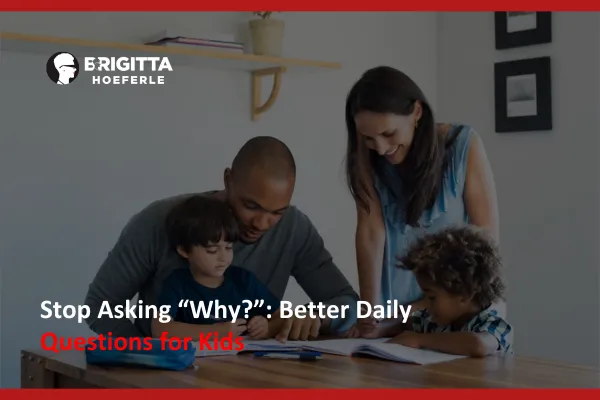
Stop Asking "Why?": Better Daily Questions for Kids
The questions you ask today shape how your child thinks tomorrow.
It is easy to ask, "Why did you do that?" when a child makes a mistake, refuses to listen, or struggles to explain their actions. For many parents and teachers, it is an automatic response. The intention is usually positive. You want to understand what happened, encourage accountability, or help the child make a better choice.
But that simple question often has the opposite effect.
Instead of encouraging conversation, it can make children feel defensive, embarrassed, or unsure of how to respond. Many children simply answer, "I don't know," not because they are avoiding the question, but because they genuinely cannot explain their thoughts or emotions at that moment.
This is where quality questions make all the difference.
Rather than asking children to defend their behavior, quality questions invite them to think, reflect, and communicate. They encourage curiosity instead of fear, problem-solving instead of blame, and meaningful conversations instead of one-word answers. Over time, these small changes strengthen communication, build emotional awareness, and help children become more confident and independent thinkers.
Whether you are a parent helping your child navigate everyday challenges or a teacher guiding students through the learning process, the questions you ask have the power to shape how children learn, solve problems, and understand themselves.
Why "Why?" Doesn't Always Help Children Learn
As adults, we often believe asking "Why?" encourages responsibility.
For many children, however, it feels like they are being asked to justify their mistakes before they have fully processed what happened.
Young children are still developing emotional awareness, self-control, and critical thinking skills. Even older children may struggle to explain why they acted a certain way because they are learning to recognize the connection between their emotions, thoughts, and behaviors.
Imagine a child who interrupts a lesson, argues with a sibling, or refuses to complete homework.
When the first question is, "Why did you do that?" the child often focuses on defending themselves rather than reflecting on the situation. The conversation quickly shifts from learning to self-protection.
That does not mean parents and teachers should stop asking questions.
It means asking better ones.
Replacing judgment with curiosity creates a safer space for children to think before they respond. Instead of feeling pressured to produce the "right" answer, they begin exploring what happened, how they felt, and what they could do differently next time.
That is the foundation of effective communication with children.
Why Quality Questions Matter
Every conversation with a child is an opportunity to develop skills that extend far beyond the moment itself.
Quality questions do much more than solve immediate behavior challenges. They encourage children to pause, organize their thoughts, consider different perspectives, and express themselves with greater confidence. These everyday conversations gradually build the communication and thinking skills children will rely on throughout school and adulthood.
Instead of giving children answers, quality questions teach them how to discover answers for themselves.
That shift has a lasting impact.
Children become more willing to share their ideas because they know their opinions matter. They begin recognizing how emotions influence decisions. They learn to evaluate situations before reacting and become more comfortable solving problems independently.
These are not simply communication skills.
They are lifelong learning skills.
Research in child development consistently shows that meaningful conversations help strengthen critical thinking, language development, emotional regulation, and decision-making. While lessons and activities are important, many of these abilities develop during ordinary daily interactions at home and in the classroom.
The right question at the right moment can teach far more than a lecture ever could.
Better Questions Build Better Thinkers
Children learn how to think by practicing thinking.
That is why the questions adults ask every day play such an important role in student development strategies. Instead of focusing only on whether an answer is right or wrong, quality questions encourage children to explain their reasoning, explore different possibilities, and reflect on their experiences.
For example, instead of asking a child why they made a mistake, you might ask:
"What do you think happened?"
That small change encourages reflection rather than defensiveness.
Instead of asking,
"Why didn't you listen?"
try asking,
"What made it difficult to listen this time?"
The conversation immediately becomes more constructive because the child is thinking about the situation instead of trying to avoid blame.
This simple shift also strengthens critical thinking questions in everyday life. Children begin connecting actions with outcomes, identifying obstacles, and considering alternative choices. Rather than depending on adults to solve every problem, they gradually develop the confidence to think through challenges on their own.
These conversations may only last a few minutes, but repeated over time, they shape how children communicate, make decisions, and approach problems throughout their lives.
Daily Questions That Encourage Children to Think
The goal of asking better questions is not to get longer answers.
It is to help children think more deeply about their experiences.
When parents and teachers replace automatic questions with thoughtful prompts, everyday conversations become opportunities to develop communication, emotional awareness, and independent thinking. Over time, children become more comfortable expressing their ideas because they know they are being invited to reflect rather than defend themselves.
The next time your child faces a challenge, try shifting the conversation with questions that encourage curiosity.
Instead of asking, "Why did you do that?" ask, "Can you walk me through what happened?" This simple change helps children organize their thoughts without feeling blamed.
If a child is upset or frustrated, try asking, "How were you feeling when that happened?" or "What do you think made that situation difficult?" Questions like these help children recognize emotions before they react to them.
When discussing a problem, encourage solution-focused thinking by asking, "What do you think you could do differently next time?" or "What are a few ways you could solve this problem?" These conversations teach children that mistakes are opportunities to learn rather than reasons to feel ashamed.
The best quality questions are open-ended, supportive, and designed to keep the conversation moving forward.
Helping Children Build Emotional Awareness
Children cannot always explain what they feel.
That does not mean they are unwilling to communicate.
Many children simply need help finding the words to describe their emotions. Developing this emotional vocabulary is one of the most valuable gifts parents and teachers can provide because children who understand their emotions are better equipped to manage them.
This is where effective communication with children becomes especially important.
Instead of immediately correcting behavior, take time to explore what may have influenced it.
A child who refuses to participate in class may not be unmotivated. They may feel embarrassed about making a mistake. A child who argues with a sibling may actually be feeling left out or disappointed.
Questions such as, "What were you feeling before that happened?" or "What do you think you needed at that moment?" encourage children to connect emotions with actions.
As children become more aware of their feelings, they also become better at managing them. They begin recognizing patterns, understanding their reactions, and making more thoughtful choices in future situations.
Emotional awareness is not just about feelings.
It is an essential part of communication, decision-making, and healthy relationships.
How Better Questions Support Critical Thinking
Children develop critical thinking through practice.
Every meaningful conversation gives them another opportunity to analyze situations, consider different perspectives, and evaluate possible outcomes. Rather than providing immediate answers, parents and teachers can encourage deeper thinking by asking questions that require reflection.
For example, after completing a school project, instead of saying, "Good job," ask, "What part are you most proud of?" or "If you had another chance, what would you improve?"
These simple questions encourage children to evaluate their own work instead of relying on external praise.
Similarly, when conflicts arise, asking, "What choices did you have?" or "How do you think someone else felt during that situation?" encourages perspective-taking and problem-solving.
These everyday conversations naturally introduce critical thinking questions without making learning feel like another lesson.
Instead of memorizing answers, children learn how to evaluate information, consider consequences, and make thoughtful decisions.
These are skills they will use throughout school, future careers, and everyday life.
Small Daily Conversations Create Lifelong Learning
Many parents and teachers believe meaningful learning happens during planned lessons.
In reality, some of the most important learning happens during ordinary conversations.
The discussion after school.
The ride home from practice.
A conversation before bedtime.
A classroom discussion after a disagreement.
These moments may seem small, but they play a significant role in student development strategies because they teach children how to think through situations instead of simply reacting to them.
Over time, quality conversations strengthen communication, improve confidence, encourage curiosity, and help children become more independent learners.
Children who regularly experience thoughtful conversations become more comfortable asking questions, sharing ideas, and solving problems on their own.
That is one of the greatest long-term benefits of asking better questions.
Common Communication Mistakes Parents and Teachers Make
Even with the best intentions, adults sometimes ask questions that unintentionally end conversations instead of encouraging them.
One common mistake is asking questions that sound like accusations rather than invitations to think. When children feel judged, they naturally become defensive or withdraw from the conversation.
Another mistake is asking several questions at once. This can overwhelm younger children and make it difficult for them to know where to begin. Asking one thoughtful question and allowing time for reflection often leads to more meaningful responses.
Adults also tend to solve problems too quickly. While offering advice is important, immediately providing solutions can prevent children from developing their own problem-solving abilities. Giving children time to think through possible answers helps build confidence and independence.
Finally, many conversations focus only on correcting behavior instead of understanding it. While accountability remains important, children learn far more when adults balance guidance with curiosity and encouragement.
By making small adjustments to the questions we ask each day, parents and teachers create conversations that strengthen trust, improve communication, and help children develop the confidence to think for themselves.
How Quality Questions Support Long-Term Growth
The conversations you have with children today shape the way they communicate, think, and solve problems tomorrow.
Every thoughtful question encourages children to slow down, reflect on their experiences, and consider different perspectives. Over time, these small moments build skills that extend far beyond childhood. Children become more confident expressing their ideas, more willing to tackle challenges, and more capable of making thoughtful decisions on their own.
This is why questions for parents and questions for teachers matter so much. The goal is not simply to correct behavior or get the right answer. It is to help children develop the habits of curiosity, self-awareness, and independent thinking that will serve them throughout their lives.
Children who regularly experience meaningful conversations often become stronger communicators because they learn that their thoughts and feelings are valued. They also develop greater resilience because they are encouraged to think through problems instead of relying on adults to solve every challenge for them.
The right questions do more than improve today's conversation. They prepare children for tomorrow's opportunities.
Small Changes Create Meaningful Conversations
Many adults believe they need new parenting techniques or classroom strategies to improve communication.
In reality, one small change can make a remarkable difference.
Changing the questions you ask changes the quality of the conversation.
Instead of focusing on blame, focus on understanding.
Instead of looking for quick answers, encourage thoughtful reflection.
Instead of solving every problem, guide children toward discovering solutions themselves.
These simple shifts create conversations that strengthen trust while helping children become more confident thinkers and communicators.
Whether you are helping a child navigate friendships, solve a classroom challenge, or learn from a mistake, quality questions provide the foundation for stronger communication and lifelong learning.
Key Takeaways
Quality questions encourage children to think, reflect, and communicate with greater confidence.
Replacing automatic "why" questions with open-ended prompts reduces defensiveness and creates more meaningful conversations.
Effective communication with children strengthens emotional awareness, problem-solving, and independent decision-making.
Asking thoughtful critical thinking questions helps children evaluate situations, explore solutions, and learn from their experiences.
Simple daily conversations support long-term student development strategies by building confidence, curiosity, and resilience.
Parents and teachers can make a lasting impact by asking questions that guide children toward understanding rather than simply seeking answers.
Frequently Asked Questions
What are quality questions for children?
Quality questions are open-ended questions that encourage children to think, reflect, and explain their ideas instead of giving short or defensive answers. They promote meaningful conversations that support learning, communication, and emotional growth.
Why should parents avoid asking "Why did you do that?"
Children often interpret "why" questions as criticism, especially when they have made a mistake. Asking questions that focus on understanding what happened or exploring possible solutions helps children communicate more openly and reflect without feeling judged.
How do quality questions improve communication with children?
Effective communication with children begins by creating a safe environment where they feel comfortable expressing their thoughts and emotions. Quality questions encourage active participation, build trust, and help children develop stronger communication skills over time.
How do quality questions develop critical thinking?
Critical thinking questions encourage children to evaluate situations, consider different perspectives, predict outcomes, and solve problems independently. These conversations strengthen decision-making skills that support learning both inside and outside the classroom.
Can parents and teachers use the same quality questions?
Yes. Many questions for parents also work as questions for teachers because they focus on understanding, reflection, and problem-solving. Small adjustments to everyday conversations can create meaningful learning opportunities in both home and classroom settings.
Help Children Think, Not Just Respond
The most meaningful conversations are not the ones that produce the quickest answers. They are the ones that encourage children to pause, reflect, and discover their own solutions. By using quality questions every day, parents and teachers can strengthen communication, nurture critical thinking, and help children build the confidence to face challenges with curiosity and resilience. Small changes in the questions you ask today can make a lasting difference in how children learn, communicate, and grow.