Sales & Communication Training for Attorneys | Build Trust
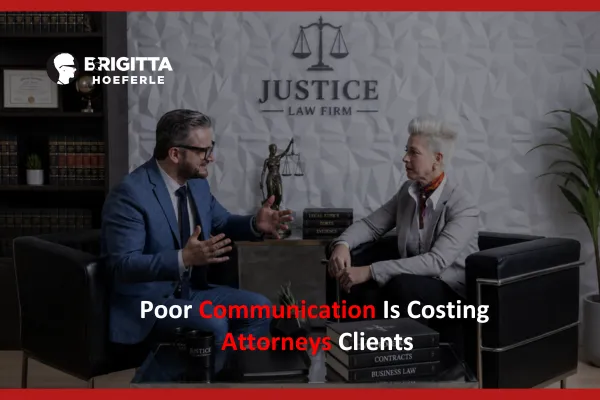
Poor Communication Is Costing Attorneys Clients
Being a great attorney is no longer enough.
Clients expect more than legal expertise. They expect clear answers, timely updates, and an attorney who can guide them through one of the most important decisions of their lives with confidence and clarity. When communication falls short, even exceptional legal work can leave clients feeling uncertain, frustrated, or disconnected.
That uncertainty has consequences.
Clients rarely leave because they question an attorney's legal knowledge. More often, they leave because they never felt informed, understood, or confident throughout the process. In today's competitive legal market, where clients have more choices than ever before, communication has become one of the most important factors influencing whether someone hires your firm, refers to your services, or returns when they need legal support again.
This is why sales and communications training is no longer simply a professional development opportunity. It is a practical business strategy that helps attorneys strengthen client relationships, improve networking, and support long-term legal business development. When attorneys combine legal expertise with confident communication, they create an experience that builds trust from the first consultation through the final outcome.
Why Legal Expertise Alone No Longer Wins Clients
There was a time when a strong reputation and excellent legal work were enough to sustain a successful practice. While legal knowledge remains the foundation of every attorney's career, it is no longer the only factor clients consider when choosing legal representation.
Today's clients evaluate the entire experience.
They notice how quickly their calls are returned. They remember whether legal concepts were explained in language they could understand. They pay attention to whether they felt listened to during consultations or rushed through important conversations.
In many cases, clients cannot accurately judge the quality of legal work behind the scenes. What they can evaluate is how confidently their attorney communicates, how clearly expectations are established, and how comfortable they feel asking questions throughout the legal process.
This is where communication skills for attorneys become a competitive advantage.
Strong communication transforms legal expertise into confidence. It helps clients understand their options, reduces uncertainty, and creates an environment where they feel supported instead of overwhelmed. Rather than viewing their attorney as someone who simply provides legal advice, clients begin to see them as a trusted advisor who guides them through difficult decisions with professionalism and empathy.
That level of trust is what turns one successful case into years of lasting client relationships.
Why Sales and Communications Training Matters for Attorneys
Many attorneys hesitate when they hear the word sales. It often brings to mind aggressive tactics, rehearsed scripts, or high-pressure conversations that feel inconsistent with the legal profession.
In reality, sales training for attorneys is not about selling. It is about building trust.
Every client interaction involves a decision. A prospective client decides whether to hire your firm. An existing client decides whether to follow your advice, approve your recommendations, or return for future legal matters. Referral partners decide whether they feel confident recommending your services to others.
Communication influences every one of those decisions.
Effective sales and communications training helps attorneys:
Ask better questions.
Actively listen to client concerns.
Explain complex legal matters in clear language.
Guide conversations with confidence instead of pressure.
Strengthen networking skills.
Improve first consultations.
Create a more consistent client experience.
Support long-term legal business development.
The goal is not to become more persuasive.
The goal is to become more trusted.
When clients feel understood instead of sold to, they are far more likely to move forward with confidence and develop long-term relationships with your firm.
The Hidden Cost of Poor Attorney-Client Communication
Poor communication rarely causes a client relationship to fail overnight.
Instead, it slowly erodes confidence through a series of small moments that often go unnoticed until it is too late.
A delayed response to an email.
An initial consultation filled with legal terminology instead of practical guidance.
Unclear expectations about timelines, fees, or next steps.
Long periods without meaningful updates.
Individually, these situations may seem minor. Collectively, they shape how clients perceive your professionalism, responsiveness, and commitment to their case.
When communication becomes inconsistent, uncertainty begins to replace confidence. Clients start wondering whether enough progress is being made, whether unexpected costs will arise, or whether they chose the right attorney in the first place.
Strong attorney-client communication prevents these concerns before they grow into larger problems.
Clear expectations, proactive updates, and straightforward conversations help clients feel informed throughout every stage of the legal process. Rather than wondering what happens next, they understand where their case stands and what to expect moving forward.
Communication is not simply about providing information.
It is about creating confidence.
When attorneys communicate consistently, transparently, and with empathy, clients spend less time worrying about the process and more time trusting the professional leading it.
Communication Skills Every Attorney Should Master
Strong legal arguments may win cases, but strong communication wins trust. Clients want more than legal representation. They want an attorney who listens carefully, explains the process clearly, and helps them make informed decisions with confidence. The attorneys who consistently build lasting client relationships understand that every conversation is an opportunity to reinforce credibility and strengthen trust.
Developing exceptional communication skills for attorneys is not about becoming more persuasive. It is about becoming more effective at guiding clients through complex legal matters while creating an experience that feels professional, transparent, and reassuring.
Active Listening Creates Stronger Client Relationships
One of the most valuable communication skills an attorney can develop is active listening. While it may seem simple, many conversations become focused on providing answers before fully understanding the client's concerns.
Clients often arrive feeling overwhelmed, frustrated, or uncertain. Before discussing legal strategies, they want to know that someone genuinely understands their situation. Attorneys who ask thoughtful questions, listen without interrupting, and clarify what they have heard create an environment where clients feel comfortable sharing important details that may otherwise remain unspoken.
Questions such as, "What concerns you most about this situation?" or "What outcome are you hoping to achieve?" encourage meaningful conversations instead of transactional consultations. These discussions provide valuable context that helps attorneys develop stronger legal strategies while demonstrating genuine interest in the client's goals.
When clients feel heard, they are more likely to trust your recommendations and remain engaged throughout the legal process.
Simplify Complex Legal Matters
The law is complex.
Explaining it should not be.
Legal terminology may be familiar to attorneys, but it often creates confusion for clients who have little or no legal background. Using technical language without explanation can unintentionally make clients feel excluded from decisions that directly affect their future.
Exceptional attorneys know how to simplify legal concepts without sacrificing accuracy. Rather than overwhelming clients with statutes and legal terminology, they explain:
What the issue means.
Why it matters.
What options are available.
What the next steps look like.
This approach builds confidence because clients understand not only what is happening but also why important decisions are being made. Clear communication reduces uncertainty, encourages collaboration, and helps clients feel like active participants in the legal process rather than passive observers.
Set Expectations Before Questions Arise
Many client frustrations are not caused by legal outcomes.
They are caused by unmet expectations.
When clients are unsure about timelines, communication, legal fees, or potential challenges, uncertainty quickly turns into anxiety. Even a positive outcome can be overshadowed by a frustrating experience if expectations were never established from the beginning.
Successful attorneys address these concerns before they become problems. They explain how the legal process works, discuss realistic timelines, outline communication expectations, and prepare clients for potential obstacles that may arise along the way.
This proactive approach strengthens attorney-client communication by replacing uncertainty with confidence. Clients appreciate transparency, even when the news is difficult, because it demonstrates professionalism and honesty.
Communicate With Empathy
Legal matters are rarely just legal matters.
Behind every case is a person dealing with uncertainty, financial pressure, family concerns, or significant business decisions. Recognizing those emotions allows attorneys to build stronger relationships without compromising professionalism.
Empathy does not mean agreeing with every client or making unrealistic promises. It means acknowledging their concerns before offering guidance.
A simple response such as, "I understand why this situation feels overwhelming. Let's walk through your options together so you know exactly what to expect," immediately changes the tone of the conversation. Instead of feeling dismissed, clients feel supported by someone who understands both the legal and human sides of their situation.
Empathy strengthens trust because clients remember how they were treated just as much as they remember the outcome of their case.
How Better Communication Supports Legal Business Development
Many attorneys think of legal business development as networking events, referrals, or marketing campaigns.
Those activities certainly matter, but they are only part of the equation.
Real business development begins with the experience clients have every time they interact with your firm.
Every phone call, consultation, email, and client meeting shapes your reputation. When communication is clear, consistent, and client-focused, people leave with confidence in your abilities and confidence in your firm. That positive experience naturally leads to stronger referrals, repeat business, and lasting professional relationships.
Satisfied clients become advocates because they remember more than the legal result. They remember that their attorney explained difficult concepts without making them feel intimidated, responded when questions arose, and remained accessible throughout the process.
This is how communication becomes a growth strategy.
Instead of relying solely on advertising or networking, attorneys create sustainable business growth by delivering an experience that clients genuinely want to recommend to others.
The Communication Mistakes That Quietly Cost Attorneys Clients
Poor communication is rarely intentional.
In many cases, it develops through habits that seem harmless but gradually weaken client confidence.
One common mistake is assuming clients understand legal terminology simply because it is familiar within the profession. While technical accuracy is important, clients need explanations they can easily understand. Clear language creates confidence, while unnecessary complexity often creates confusion.
Another mistake is waiting for clients to ask for updates. Silence leaves room for uncertainty, and uncertainty often leads clients to question whether progress is being made. Proactive communication reassures clients that their matter remains a priority, even when there are no significant developments to report.
Some attorneys also focus so heavily on solving legal problems that they overlook the emotional experience of the client. Clients want practical legal advice, but they also want reassurance, honesty, and confidence throughout the process. A strong legal strategy and a strong client experience should always work together.
Attorneys who recognize and correct these communication habits position themselves as trusted advisors rather than simply legal professionals. That distinction is often what separates firms that earn one-time clients from firms that build lasting relationships and sustainable growth.
A Simple Framework for Better Client Conversations
Every successful client relationship begins with a conversation, not a legal strategy.
The attorneys who consistently earn trust do not rush into legal advice or overwhelm clients with technical language. Instead, they follow a structured approach that helps clients feel informed, respected, and confident from the very beginning.
A simple communication framework can make every consultation more productive while strengthening relationships that lead to long-term success.
Connect Before You Advise
The first consultation is about more than gathering facts. It is your opportunity to build trust and demonstrate that you understand the client's concerns.
Rather than leading with legal solutions, start by learning about the person behind the case. Encourage them to explain their situation, ask thoughtful follow-up questions, and give them the space to express what matters most.
When clients feel genuinely heard, they are more likely to trust your recommendations and move forward with confidence.
Guide the Conversation With Clarity
Clients come to attorneys because they need direction.
Your role is not simply to explain the law. It is to help them understand what their options mean and how each decision could affect their future.
Avoid overwhelming clients with legal terminology or unnecessary details. Instead, organize the conversation around practical questions they already have:
What happens next?
How long will the process take?
What challenges should they expect?
What can they do to improve the outcome?
When attorneys answer these questions in plain language, they reduce uncertainty and help clients feel more confident about the path ahead.
Reinforce Trust Throughout the Relationship
Trust is not built during one consultation.
It grows through consistent communication over time.
Clients appreciate attorneys who provide regular updates, respond promptly, and explain changes before questions arise. Even when there is little progress to report, proactive communication reassures clients that their matter remains a priority.
Small moments of communication often have the greatest impact on how clients remember their experience.
A quick phone call, a follow-up email, or a simple explanation can strengthen relationships far more than many attorneys realize.
End Every Conversation With Confidence
Every client interaction should leave people knowing exactly what comes next.
Before concluding a meeting or consultation, summarize the discussion, confirm the client's priorities, and outline the next steps. This simple habit reinforces clarity, reduces confusion, and demonstrates professionalism.
Clients should never leave wondering what happens after they walk out of your office.
When expectations are clear, confidence grows.
Why Communication Is Your Greatest Competitive Advantage
Legal expertise will always be the foundation of a successful practice.
Communication is what allows clients to recognize that expertise.
In an increasingly competitive legal market, many firms offer similar services, comparable experience, and strong credentials. What often separates one attorney from another is not legal knowledge alone but the quality of the client experience.
Attorneys who invest in sales and communications training create stronger first impressions, build deeper relationships, and communicate with confidence during every stage of the client journey. They know how to simplify complex legal issues, navigate difficult conversations, and guide clients with professionalism and empathy.
These skills not only improve the client experience but also strengthen legal business development by increasing referrals, encouraging repeat business, and enhancing a firm's professional reputation.
Clients may not remember every legal detail you explained.
They will remember how confident they felt placing their trust in you.
That is the lasting value of exceptional communication.
Key Takeaways
Legal expertise alone is no longer enough to attract and retain clients in today's competitive market.
Sales and communications training helps attorneys build trust, improve client relationships, and support long-term legal business development.
Strong communication skills for attorneys make complex legal matters easier to understand, creating a more confident and informed client experience.
Clear and consistent attorney-client communication strengthens client retention, increases referrals, and improves overall satisfaction.
Attorneys who combine legal expertise with confident communication establish stronger professional reputations and create sustainable business growth.
Frequently Asked Questions
Why is sales and communications training important for attorneys?
Sales and communications training helps attorneys build stronger client relationships by improving how they communicate, listen, and guide conversations. These skills create trust, improve client confidence, and contribute to long-term business growth.
How can communication skills improve attorney-client relationships?
Strong communication skills for attorneys help clients better understand legal processes, reduce uncertainty, and feel supported throughout their case. Clear communication strengthens trust and encourages long-term client loyalty.
What is legal business development?
Legal business development refers to the strategies attorneys use to grow their practice through stronger client relationships, networking, referrals, and consistent client experiences. Effective communication plays a central role in each of these areas.
How does better communication increase client referrals?
Clients are more likely to recommend an attorney who communicates clearly, responds promptly, and provides a positive overall experience. Trust and confidence often influence referrals as much as successful legal outcomes.
Can communication training help experienced attorneys?
Absolutely. Regardless of experience level, communication training helps attorneys refine client interactions, improve consultation skills, strengthen networking, and build deeper professional relationships.
Strengthen Your Practice With Better Client Communication
Outstanding attorneys are known for more than their legal expertise. They are recognized for the confidence they inspire, the relationships they build, and the clarity they bring to every client interaction.
Investing in sales and communications training equips attorneys with the skills to communicate more effectively, strengthen trust, and create a client experience that drives referrals, retention, and long-term success.